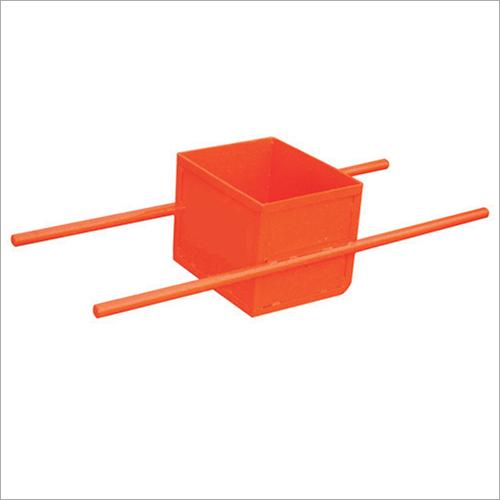
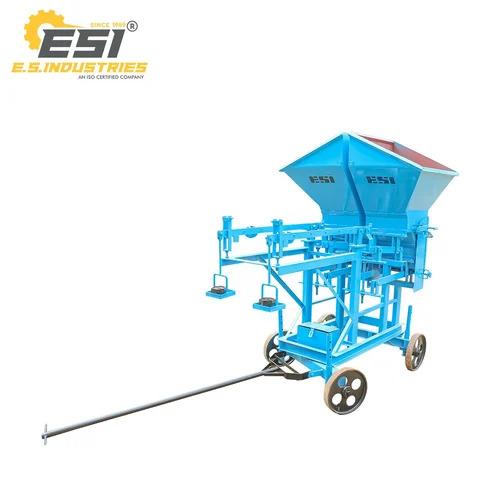
A concrete weigh batcher is a device used to accurately measure the weight of aggregates like sand and stone before they are mixed with cement and water to produce concrete. It is crucial for achieving a consistent and high-quality concrete mix by ensuring each component is weighed precisely, minimizing material wastage and errors. These batchers are available in different types, such as mechanical or electronic, and can vary in capacity, with common designs featuring hoppers for holding the materials and a lever or electronic system for accurate measurement. How it works Weighing: The device has one or more bins or hoppers that hold the materials (sand, gravel, etc.). A mechanical lever system or an electronic load cell measures the weight of the material in each hopper. Discharge: Once the desired weight is reached, the material is discharged into a mixer hopper via chutes or other mechanisms. Batching: The process is repeated for all the required materials to ensure the correct proportions are loaded into the concrete mixer, leading to a consistent and quality-controlled final product. Key features Capacity: Available in various capacities, from small single-hopper units to large, multi-hopper systems, to suit different project needs. Type: Can be either mechanical (using a lever system and precision scale) or electronic. Construction: Typically made with a heavy steel frame and wear-resistant components for durability, and often features a rust-resistant coating for longevity in harsh construction environments. Portability: Many models are designed for easy mobility, often with wheels, making them suitable for on-site use. Benefits Accuracy: Ensures precise weighing of materials, leading to uniform concrete mixes with the correct strength and performance. Efficiency: Reduces waste by preventing the use of excess or incorrect amounts of materials. Quality control: Helps maintain high-quality concrete that meets project specifications.

Coimbatore
08048034990
+919443328354
 Chat with us
 Chat with us